
Starry Nights and Sandy Trails: Your Ultimate Guide to Camel Trekking in Merzouga
Embark on an unforgettable camel trekking adventure in Merzouga, where the Sahara’s golden dunes meet starlit skies. This guide provides essential information for planning your desert excursion, from selecting the perfect tour operator to understanding local customs. Discover how to prepare for the desert climate, experience authentic Berber culture, and create lasting memories under the vast, open sky. Prepare for an immersive journey into the heart of the Moroccan desert.
In this article:
Why Merzouga Camel Trekking Matters
Imagine yourself atop a gentle giant, swaying to the rhythm of the Sahara, as the sun dips below the horizon, painting the dunes in hues of orange and purple. This is camel trekking in Merzouga. This immersive experience offers adventure, cultural immersion, and natural beauty. Whether you’re a seasoned traveler or a first-time adventurer, a camel trek through the Erg Chebbi dunes promises an unforgettable journey into the heart of the Moroccan desert. This guide provides what you need to plan the perfect desert excursion.

Photo credit: Hassan OUAJBIR
Planning Your Merzouga Camel Trek
Careful planning is the first step toward your desert adventure. This includes determining the best time to visit, selecting a reputable tour operator, and establishing a realistic budget for your camel trekking experience.
Ideal Time for a Merzouga Desert Visit
The ideal time for camel trekking is during the shoulder seasons: spring (March-May) and autumn (September-November). During these months, temperatures are more moderate, making your desert experience far more comfortable. Avoid the summer months (June-August), when temperatures can soar, and the winter months (December-February), which can bring cold nights.
- Spring (March-May): Pleasant temperatures, desert flora, and fewer crowds.
- Autumn (September-November): Warm days, cool nights, and stunning sunsets.
- Summer (June-August): Extremely hot.
- Winter (December-February): Cold nights, possibility of rain, but fewer tourists.
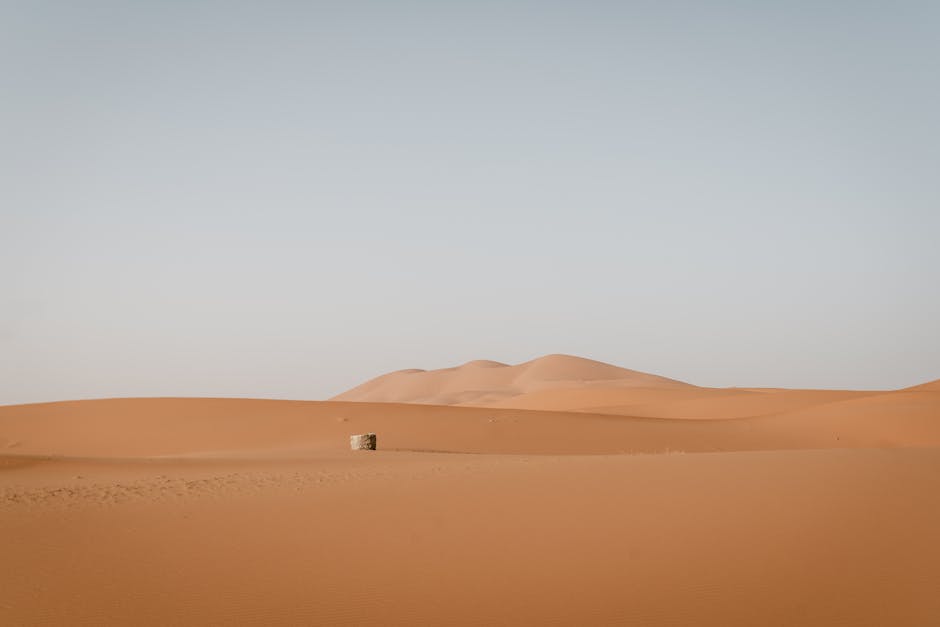
Photo credit: Ed Duvico
Selecting Your Merzouga Camel Trek Tour
Selecting a reputable tour operator is crucial for a safe and enjoyable experience. Look for operators with experienced guides, well-cared-for camels, and a commitment to responsible tourism. Read online reviews, compare prices, and inquire about their safety protocols and environmental practices. A good tour operator will offer options to suit different budgets and preferences.
Consider these factors when choosing a tour operator:
- Reviews and Ratings: Check online platforms like TripAdvisor and Google Reviews.
- Experience: How long have they been operating? What are the qualifications of their guides?
- Tour Options: Do they offer different trek durations and activities?
- Safety Protocols: What safety measures do they have in place?
- Environmental Practices: Are they committed to responsible tourism?
- Price and Inclusions: What is included in the price? What are the potential extra costs?
Budgeting Your Merzouga Desert Adventure
The cost of camel trekking can vary depending on tour duration, level of comfort, and operator. Factor in the cost of the trek itself, transportation to and from Merzouga, accommodation, meals, and optional activities. Also, budget for souvenirs and tips for guides and camel drivers.
General budgeting guideline:
- Basic Trek (1 night): €50-€80 per person
- Mid-Range Trek (2 nights): €80-€150 per person
- Luxury Trek (2+ nights): €150+ per person
These prices include camel rental, guide services, overnight stay in a desert camp (often with meals), and transportation from/to Merzouga village. Confirm inclusions when booking.
Preparing for Your Merzouga Camel Trek Experience
Proper preparation is key to a comfortable and safe camel trekking adventure. This includes packing the right clothing and gear, understanding health and safety risks, and learning about Berber culture.
Essential Packing List for a Merzouga Desert Trek
Packing appropriately for the desert is crucial. Here’s a list of essentials:
- Lightweight clothing: Loose-fitting clothes in light colors will help you stay cool.
- Long-sleeved shirts and pants: Protection from the sun and insects.
- Sun hat and sunglasses: Essential for sun protection.
- Sunscreen: High SPF is a must.
- Scarf or Shemagh: Protects your face from sun and sand.
- Comfortable walking shoes or sandals: For walking around the camp and dunes.
- Warm clothing for evenings: Temperatures can drop significantly at night.
- Headlamp or flashlight: For navigating at night.
- Reusable water bottle: Stay hydrated!
- Toiletries: Including wet wipes and hand sanitizer.
- Small backpack: To carry essentials during the trek.
- Camera and extra batteries: Capture the stunning desert scenery.
- Medications: Any personal medications.

Photo credit: Noureddine Belfethi
Health and Safety During a Sahara Desert Trek
The Sahara Desert presents health and safety challenges. Dehydration, sunstroke, and heat exhaustion are concerns. Here are precautions:
- Stay hydrated: Drink plenty of water.
- Protect yourself from the sun: Wear sunscreen, a hat, and sunglasses.
- Avoid activity during the hottest part of the day.
- Listen to your body: Rest when needed.
- Inform your guide of any medical conditions.
- Carry a first-aid kit.
- Be aware of scorpions and snakes: Avoid walking barefoot, especially at night.
- Purchase travel insurance.
Respecting Berber Culture in Merzouga
The Berbers are the indigenous people of North Africa with a rich culture. When visiting their communities, respect their traditions. Here are tips:
- Dress modestly: Avoid revealing clothing.
- Ask permission before taking photos of people.
- Accept offers of tea or food: Hospitality is important.
- Learn basic Arabic or Berber phrases.
- Be mindful of local customs during Ramadan.
- Support local artisans.
What to Expect on Your Merzouga Camel Trek Journey
Embark on a journey, experiencing the magic of the Sahara. Learn about the camel ride, desert camping, and Berber hospitality.
The Camel Ride Experience in Merzouga: Tips for Comfort
The camel ride is part of the camel trekking experience. Camels are gentle, but riding them can be challenging. Here are tips for a comfortable ride:
- Listen to your guide’s instructions: They will show you how to mount and dismount safely.
- Relax and go with the flow: The camel’s gait can be bumpy, but try to relax.
- Hold on tight: Especially when the camel is going uphill or downhill.
- Wear comfortable clothing: Avoid anything that might chafe.
- Consider bringing a cushion: For extra comfort during longer treks.
- Take breaks when needed: Your guide will stop periodically.

Photo credit: Boris Ulzibat
Desert Camping Under the Merzouga Stars
Spending a night in a Berber camp is an experience. The camps typically consist of comfortable tents equipped with mattresses, blankets, and pillows. Enjoy a tagine dinner, listen to Berber music, and marvel at the starry sky.
What to expect at a desert camp:
- Comfortable tents: Equipped with mattresses, blankets, and pillows.
- Berber dinner: Tagine, couscous, and local specialties.
- Berber music and storytelling: A chance to learn about Berber culture.
- Stargazing: The Sahara Desert offers stargazing opportunities.
- Bonfire: A gathering place.
- Basic bathroom facilities: Usually a toilet and washing area.
Berber Hospitality and Cultural Immersion in Merzouga
One of the aspects of camel trekking is the opportunity to interact with the Berber people. They are known for their hospitality. Take time to learn about their culture. You might share a meal with a Berber family.
Opportunities for cultural immersion:
- Sharing tea with a Berber family.
- Learning about Berber music and dance.
- Visiting a Berber village.
- Trying Berber cuisine.
- Learning basic Berber phrases.
Exploring Beyond Merzouga Camel Trekking
While camel trekking is the highlight, explore the village and surrounding area, deepening your connection with the region.
Visiting Merzouga Village: Local Insights
Merzouga is a village located on the edge of the Erg Chebbi dunes. It’s a place to experience local life, browse shops, and sample Moroccan cuisine. You can visit the market for fresh produce and handicrafts.
Things to do in Merzouga Village:
- Visit the local market.
- Explore the shops and boutiques.
- Sample Moroccan cuisine.
- Visit the Merzouga Dayet Srij (seasonal salt lake).
- Relax at a local cafe.

Photo credit: Zakaria HANIF
Nearby Attractions in the Merzouga Region
The Merzouga region offers other attractions besides the Erg Chebbi dunes. Consider visiting:
- Rissani: A historic town with a market and a mausoleum.
- Erfoud: Known for its fossil workshops and marble quarries.
- Todra Gorge: A canyon with cliffs.
- Dades Valley: A scenic valley with rock formations.
- Khamlia village: Known for its Gnawa music and culture.

Photo credit: Mohamed Yassine
Responsible and Sustainable Travel in the Sahara Desert
It’s important to travel responsibly in the Sahara Desert. Here are ways to minimize your impact:
- Choose tour operators that prioritize responsible tourism.
- Respect local customs and traditions.
- Avoid littering.
- Conserve water.
- Support local businesses.
- Be mindful of your impact on the environment.
- Consider bringing reusable shopping bags and water bottles.
Crafting a Memorable Merzouga Camel Trek
Capture the essence of your desert journey, ensuring lasting memories of the landscapes.
Photography Tips for the Merzouga Desert
The Sahara Desert is a photographer’s paradise. Here are tips for capturing photos:
- Shoot during the golden hour: The hour after sunrise and the hour before sunset offer the best light.
- Use a wide-angle lens: To capture the vastness of the desert.
- Experiment with different angles and perspectives.
- Capture the details: The textures of the sand, the patterns of the dunes, the faces of the Berber people.
- Bring a tripod: For sharp photos, especially at night.
- Protect your camera from sand: Use a camera bag or a plastic cover.
Sahara Desert Stargazing Tips
The Sahara Desert offers stargazing opportunities. With no light pollution, you can see the Milky Way. Download a stargazing app to identify constellations and planets. Bring a telescope or binoculars.
Tips for stargazing:
- Find a dark location.
- Allow your eyes to adjust for at least 20 minutes.
- Use a stargazing app.
- Bring a blanket.
- Consider bringing a telescope or binoculars.
Souvenirs and Unique Crafts from Merzouga
Looking for souvenirs to remember your camel trekking adventure? Consider these options:
- Berber carpets and rugs: Handwoven with designs.
- Leather goods: Bags, wallets, belts, and shoes.
- Silver jewelry: Adorned with Berber symbols.
- Fossils: Found in the Erfoud region.
- Spices: Aromatic Moroccan spices.
- Argan oil: A cosmetic oil made from the kernels of the argan tree.
- Tagines: Ceramic cooking pots used to make Moroccan stews.
Key Takeaways for an Unforgettable Merzouga Desert Journey
A camel trekking adventure is more than a trip; it’s an experience that will stay with you. From the landscapes and the culture to the hospitality of the Berber people, this journey will transform your perspective and leave you with memories. So, plan carefully, pack your bags, and prepare to embark on the adventure. Are you ready to discover the magic of the Moroccan desert? Book your camel trek today and create memories! Don’t forget to share your experiences.


